Washington State Fair: A Pacific Northwest Icon for Over 125 Years
For more than a century and a quarter, the Washington State Fair has stood as a monumental testament to the enduring spirit of community, agriculture, and celebration in the Pacific Northwest. Established in 1900, this annual exposition in Puyallup, Washington, isn't just an event; it's a cherished tradition, drawing over a million visitors each year. Renowned as the largest fair in the PNW and consistently ranking among the biggest in the United States by attendance, the Washington State Fair offers an unparalleled blend of classic fairground thrills, educational agricultural displays, world-class entertainment, and mouth-watering culinary delights. It’s a vibrant tapestry woven from generations of memories, where the past meets the present in a joyous celebration of regional heritage.
A Century and a Quarter of Tradition: The Washington State Fair's Enduring Legacy
The story of the Washington State Fair begins in the humble, yet ambitious, vision of local businessmen, farmers, and residents of Puyallup. In June 1900, they formed the Valley Fair Association with a clear mission: to promote the rich agricultural interests of the Puyallup Valley. This collective effort culminated in the inaugural "Puyallup Fair," held from October 4th to 6th, 1900, on a vacant lot west of Pioneer Park.
Those first few days were a modest affair, yet pregnant with future grandeur. Approximately 3,000 visitors, paying a dollar per family, witnessed exhibits ranging from prize-winning livestock—including Romulous Nix's shorthorn bull, the very first exhibit—to local produce, intricate needlework, and even a contest for the best raspberry wine. The event, led by figures like Lewis Alden Chamberlain and William Hall Paulhamus, proved an immediate success, generating a profit of $583 and signaling the birth of something truly special.
Rapid growth followed. By 1901, the fair had relocated to a more spacious 10-acre site at 9th Avenue S.W. and Meridian South, soon emphasizing popular horse racing events and adding parking for buggies and early automobiles. The event lengthened, admissions surged, and acreage expanded. In 1913, it was fittingly renamed the Western Washington Fair Association, building a new grandstand and, in 1915, introducing a culinary icon that would become synonymous with the fair: Fisher Scones. Even amidst global conflicts like World War I, the fair adapted, demonstrating its resilience. Post-war, attendance boomed, peaking at a then-record 130,000 visitors by 1922, underscoring its escalating popularity and crucial role as a regional gathering point.
Throughout its more than 125-year history, the Washington State Fair has seen its share of record attendances, including a staggering 1,312,332 guests during a centennial celebration, and a single-day high of 100,000 in 1946. These numbers speak volumes about its enduring appeal and its ability to continually capture the imagination of the Pacific Northwest.
More Than Just Rides: What to Experience at the Washington State Fair
While the Washington State Fair is undoubtedly famous for its exhilarating amusement rides and classic carnival games, its true breadth of offerings extends far beyond the midway. It's a multifaceted celebration designed to educate, entertain, and delight visitors of all ages.
- Agricultural Showcase: At its heart, the fair remains a deep bow to its agricultural roots. Visitors can explore vast livestock barns, witness competitive judging of dairy cattle, swine, sheep, and more. Beyond the animals, elaborate displays of prize-winning produce, floral arrangements, baked goods, and intricate crafts fill exhibition halls, offering a vibrant glimpse into the talents and traditions of Washington State's communities. These exhibits serve as a powerful reminder of where our food comes from and the vital role of farming in our economy and culture.
- World-Class Entertainment: The Columbia Bank Concert Series consistently brings a stellar lineup of national and international recording artists across diverse genres. From rock legends and country stars to pop icons and comedy acts, the grandstand lights up with unforgettable performances. Complementing the concerts, the fair also hosts thrilling rodeo events, showcasing skilled cowboys and cowgirls, alongside a variety of smaller stages featuring local bands, comedy shows, and family-friendly performances throughout the day.
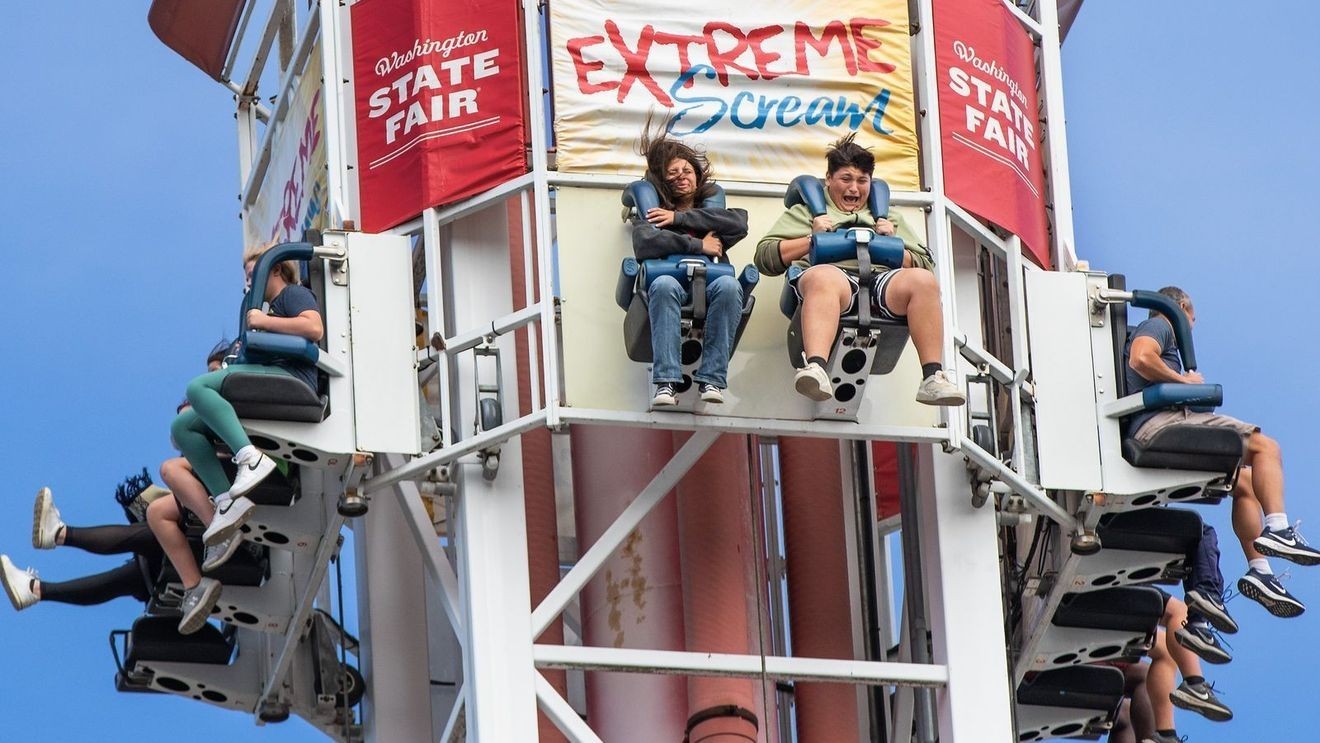
- Amusement and Adrenaline: Of course, no visit to the fair is complete without experiencing the iconic midway. From classic carousels and Ferris wheels offering panoramic views to high-thrill rides that twist and turn, there's an adventure for every age and courage level. The games of skill and chance also beckon, offering opportunities to win oversized plush prizes and create lasting memories.
- Culinary Delights: Beyond the famous Fisher Scones (a definite must-try!), the fair is a foodie paradise. Indulge in classic fair foods like corn dogs, elephant ears, cotton candy, and roasted corn, or explore a diverse array of international flavors, gourmet treats, and unique concoctions that pop up each year. It’s a chance to savor traditional favorites and discover new culinary obsessions.
Navigating Growth and Challenges: The Fair's Evolution
The history of the Washington State Fair is not just one of continuous growth but also of remarkable adaptability. It weathered the closures forced by World War II and emerged stronger, continuing to expand its facilities with additions like Hobby Hall and an Art Gallery in the late 1930s. This resilience is a testament to its deeply embedded role within the community.
In more recent years, like many large public events, the fair has navigated modern challenges. Controversies regarding booth policies and accusations of exclusion for signature-gathering and advocacy displays have arisen. However, through negotiations, the fair management has demonstrated its commitment to balancing event integrity with community expression, establishing designated free speech areas. This proactive approach reflects the fair's ongoing evolution, demonstrating its responsiveness to societal changes while striving to maintain its core mission as a unifying public space.
The fair's consistent ability to adapt, innovate, and continue drawing over a million visitors annually—making it one of the largest in the country—highlights its fundamental importance. It truly is The Washington State Fair: Drawing Over a Million Visitors Annually, proving its enduring appeal.
Planning Your Visit to the Iconic Washington State Fair
To make the most of your experience at the Washington State Fair, consider these practical tips:
- Best Times to Visit: Weekday mornings often offer lighter crowds, especially if you want to explore exhibits in detail. Evenings and weekends are vibrant but can be very busy.
- Tickets and Parking: Purchase tickets online in advance to save time and sometimes money. Check the official fair website for parking options, public transport alternatives, and shuttle services.
- Comfort is Key: Wear comfortable shoes, as you'll be doing a lot of walking. Bring a backpack for essentials like water bottles, sunscreen, and maybe a light jacket for cooler evenings.
- Plan Ahead: Download the fair's app or grab a map and daily schedule upon arrival. Highlight must-see shows, concert times, or specific exhibits you don't want to miss.
- Hydrate and Rejuvenate: With so much to see and do, remember to take breaks, stay hydrated, and try some of the fair's legendary snacks!
The Washington State Fair, with its rich history, diverse attractions, and continuous evolution, remains much more than just an annual event. It's a vibrant cultural institution, a bridge between generations, and a true celebration of the Pacific Northwest's agricultural heritage and community spirit. Whether you're a long-time attendee or planning your first visit, the fair promises an unforgettable experience filled with joy, discovery, and tradition. Come and be a part of its ongoing, remarkable story!